Expressive Primary Color Watercolor: Vibrant Design Templates
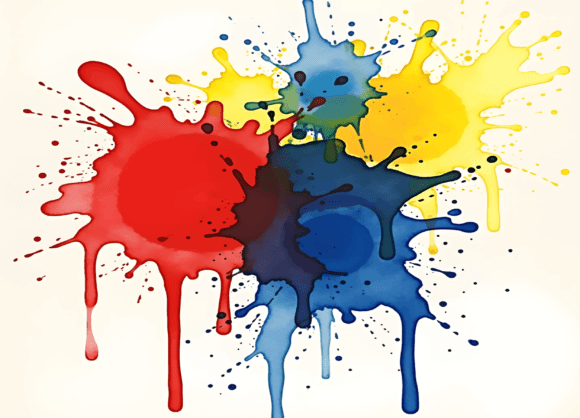
The search for design assets that feel genuinely human can be exhausting. We are often stuck between the cold precision of vector lines and the messy unpredictability of actual paint. However, the Expressive Primary Color Watercolor collection bridges that gap perfectly. This isn't just another filter applied to a stock image; it is a carefully crafted set of backgrounds and templates that mimic the fluid, organic nature of real watercolor pigments. Whether you are a graphic designer looking to soften a corporate brand or a crafter wanting to add depth to a digital sticker set, these assets provide the texture and warmth that modern digital work often lacks.
Understanding the Pixel Perfect Aesthetic
When we talk about watercolor in a digital context, the biggest hurdle is usually resolution. You might find a beautiful watercolor splash online, only to zoom in and see a pixelated mess. This collection solves that by offering Pixel Perfect Water Color Background Design Vector Image Templates. This means you can scale these assets up for large-format printing—think posters, trade show banners, or wall art—without losing a single ounce of detail. The edges remain crisp where they need to be, but the "paint" itself bleeds and flows with the authentic irregularity of ink on wet paper.
The "Primary Color" aspect is vital here. We are dealing with a palette rooted in the fundamentals: deep blues, vibrant reds, and sunny yellows, often mixed to create rich purples and earthy greens. This color theory foundation makes these templates incredibly versatile. They don't clash with one another because they share a common chromatic DNA. For a brand identity project, using these colors can evoke feelings of trust, energy, and optimism simultaneously. It’s a style that feels both nostalgic—reminiscent of childhood art classes—and sophisticated enough for modern editorial design.
Three Distinct Styles for Maximum Flexibility
One of the standout features of this package is the inclusion of three different visual styles. Variety is the spice of design, and having options allows you to maintain consistency across different media without looking repetitive.
- The Standard Watercolor: This is the full, expressive bleed. It features transparency, texture, and the "happy accidents" that make watercolor charming. It’s perfect for backgrounds where you want to evoke emotion.
- Filled Outline Style: This style offers a more graphic approach. You get the definition of a vector line but filled with the watercolor texture. This is excellent for logo design or icons where you need the shape to be immediately recognizable but want to avoid a flat, boring look.
- Flat Style: Sometimes, texture is too much. The flat style simplifies the colors into solid blocks that reference the watercolor shapes without the grain. This works beautifully for web design elements like buttons or UI cards where readability is paramount.
Practical Applications: From Packaging to Social Media
So, how do you actually use Expressive Primary Color Watercolor in your workflow? The applications are surprisingly broad. If you are a small business owner launching a new product, consider using these assets for packaging design. A watercolor background on a coffee bag or a soap label instantly communicates "artisanal" and "handcrafted," even if the product was made by machine. It adds a layer of perceived value that sterile, geometric graphics cannot match.
For marketers and content creators, the digital landscape is incredibly noisy. Static stock photos often get scrolled past. However, a social media post featuring a vibrant watercolor wash creates a distinct thumb-stopping moment. The organic shapes draw the eye in a way that rigid grids do not. You can use the transparent PNG files to overlay text, creating high-contrast headers for blog posts or Pinterest pins. Because the style is so expressive, it acts as a visual hook, increasing engagement and click-through rates.
File Formats That Work for You
A major frustration with many design resources is the lack of file compatibility. This collection removes that friction entirely by providing a comprehensive suite of formats. You aren't just buying a picture; you are buying a toolkit.
- AI & EPS Files: If you are using Adobe Illustrator, these are your best friends. They allow you to fully edit the vectors, change colors, and resize elements infinitely. This is where the "Pixel Perfect" nature truly shines.
- SVG Files: Essential for web design. SVGs are lightweight and scale perfectly on any screen size, from a mobile phone to a 4k monitor. They are also crucial for modern cutting machines if you are a crafter.
- PSD Files: For the Photoshop users, having access to the layers allows for advanced compositing. You can adjust opacity, blend modes, and layer masks to integrate the watercolor seamlessly into your photos.
- High-Quality JPG & Transparent PNG: These are the "ready-to-use" formats. The transparent PNGs are particularly valuable as they allow you to place the watercolor splashes over any background color or image without the annoying white box around them.
- PDF & TIFF: For print professionals, these formats ensure color fidelity and high resolution. TIFF files are uncompressed, meaning you lose no quality when sending files to a printer for premium output.
Strategic Branding with Watercolor Elements
When building a brand identity, consistency is king, but personality is the kingdom. Using the Expressive Primary Color Watercolor allows you to inject personality without sacrificing professionalism. Imagine a corporate newsletter that uses the Flat Style for charts and graphs, but the Standard Watercolor for the header image. This creates a visual hierarchy that guides the reader's eye. It tells them, "We are professional, but we are also creative and approachable."
It is also worth considering how this style influences readability. Watercolor can be busy, so it should rarely be used as a background for long-form body text. However, for headlines, pull quotes, and call-to-action buttons, it is unmatched. The texture grabs attention, while the primary colors ensure the text remains legible. A common mistake is pairing a handwritten font or script font over a complex watercolor background. Instead, try pairing these expressive backgrounds with a clean, modern typography style—a sans serif font with high x-height works wonders to ground the fluidity of the paint.
Ultimately, this collection is about versatility. It caters to the hobbyist making birthday cards just as much as the agency designing a global campaign. By providing vector scalability and multiple style variations, it ensures that no matter the medium—print, digital, or physical goods—your designs remain sharp, vibrant, and emotionally resonant.