Designing with Venetian Stone Pattern: Rock Tile Color Aesthetics
The visual impact of a design often hinges on the textures and materials we choose to represent. While typography usually takes the spotlight in discussions about design assets, the background patterns and textures provide the essential stage for content to shine. When we look at Venetian Stone Pattern. Rock Tile Color, we are examining a specific aesthetic choice that bridges the gap between organic natural beauty and structured, modern design. This isn't just a random background; it is a deliberate stylistic decision that communicates stability, elegance, and timelessness.
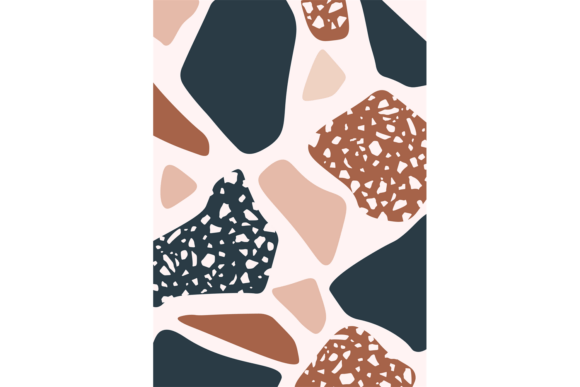
At its core, the Venetian Stone Pattern refers to a design aesthetic that mimics the look of polished marble, travertine, or limestone found in historic Italian architecture. However, the addition of "Rock Tile Color" suggests a specific palette and structural arrangement. It implies a mosaic or grid-like structure—think of the intricate floors in a Roman bath or the facade of a Venetian palazzo—but rendered with the color depth and grit of raw rock. This creates a fascinating tension in the design. You have the sophistication of high-end architecture combined with the rugged, grounded feeling of nature.
The Visual Personality of Stone and Tile
Understanding the personality of a texture is just as crucial as understanding the personality of a serif font or a sans serif font. The Venetian Stone Pattern carries a personality of heritage and luxury. It whispers of old-world charm, durability, and history. When you use this pattern, you are borrowing the credibility of stone. It feels permanent. Unlike trendy gradients that might look dated in two years, stone textures are timeless. They offer a sense of grounding that can be incredibly useful in a chaotic digital landscape.
The "Rock Tile Color" aspect adds a layer of complexity. It isn't a flat, monotone grey. It likely features the subtle variations found in natural sediment—swirls of cream, veins of charcoal, hints of ochre, or cool blue undertones. This color variation is vital for modern typography because it prevents the background from feeling sterile. If you are placing a clean, vector-based logo design over this pattern, the texture provides a rich canvas that adds depth without overwhelming the crisp lines of the vector illustration.
Strategic Applications for Creatives and Brands
For designers, entrepreneurs, and content creators, knowing where to deploy the Venetian Stone Pattern is key to maximizing its value. This texture is a powerhouse in brand identity, particularly for industries that want to project authority and trust. Think of financial consultants, law firms, high-end real estate agencies, or luxury spas. For these businesses, a solid block of color can sometimes feel too flat or corporate. The Venetian Stone Pattern adds a tactile quality to their digital and print materials that suggests substance.
In packaging design, this pattern works exceptionally well for products that emphasize natural ingredients or artisanal quality. Imagine a gourmet food brand or a high-end cosmetics line. Using a rock tile texture on the box or label immediately elevates the perceived value of the product. It turns a simple container into a keepsake. The texture implies that the product inside is crafted with care, much like the stone was hewn from the earth.
Furthermore, in the realm of web design, the pattern serves as a sophisticated background for hero sections or footer areas. Because it is a repeating pattern (or a well-composed background), it scales beautifully across different screen sizes. It provides a neutral yet interesting ground for social media graphics as well. In a feed dominated by loud, bright colors and cluttered layouts, a calm, stone-textured background can act as a visual palate cleanser, making your text and imagery pop through contrast.
Integrating the Pattern with Typography
A common challenge when using textured backgrounds is maintaining readability. This is where your choice of typeface becomes critical. Because the Venetian Stone Pattern has visual noise—the natural veins and color shifts of rock—you need to pair it with a font that is legible at various sizes. A bold, geometric sans serif font often works best for headlines. The clean, thick strokes of a modern sans serif can "float" above the texture, creating a distinct separation between the text and the background.
However, if your brand leans toward the classic or editorial, a sturdy serif font can create a beautiful, cohesive look. The key is contrast. If the stone pattern is rough and jagged, a refined serif can add a touch of elegance. If the pattern is smooth and polished, a handwritten font or script font might be used sparingly for accents to add a human touch to the otherwise mineral surface. When creating your font pairing strategy, always test how the letters interact with the "Rock Tile Color." Ensure the x-height of your font is sufficient, and consider adding a subtle drop shadow or a semi-transparent overlay behind your text to ensure it remains the focal point.
Vector Formats and Workflow Efficiency
From a technical workflow perspective, sourcing these assets in the right format is non-negotiable for professional results. The mention of Vector illustration EPS, JPG, SVG formats highlights the versatility required in today's multi-platform environment.
- SVG (Scalable Vector Graphics): This is the gold standard for web design. SVGs allow the Venetian Stone Pattern to be scaled to any size without pixelation, ensuring your site looks sharp on 4K monitors and mobile devices alike. They also keep file sizes manageable, which is crucial for page load speed.
- EPS (Encapsulated PostScript): This is essential for print work. Whether you are designing business cards, brochures, or large-format signage, EPS files ensure that the intricate details of the rock texture are preserved in high resolution.
- JPG (Joint Photographic Experts Group): While not a vector format, high-quality JPGs are often used for social media or quick mockups where file compatibility is the priority.
Using a premium font or a creative font alongside these vector assets requires a cohesive design system. For instance, if you are building a brand identity kit, you should create a style guide that dictates exactly how the Venetian Stone Pattern is used. Does it cover the entire page? Is it used only as a border? Is it an accent strip? Consistency in application is what separates amateur designs from professional editorial design.
Evaluating Fit and Commercial Use
Before committing to the Venetian Stone Pattern for a commercial project, it is wise to evaluate the specific "Rock Tile Color" against your existing brand palette. If your brand colors are neon or pastel, the heavy, earthy tones of the stone might clash or create an unintentional muddy effect. In such cases, you might need to adjust the saturation of the stone texture or use it only in black and white.
Additionally, consider the licensing. If you are using this pattern for a client's logo design or a product that will be sold in high volumes, you must ensure the commercial font and texture licenses cover your specific use case. Most design assets come with clear guidelines on whether they are for personal use or commercial distribution. Respecting these boundaries is part of being a professional creative.
Ultimately, the Venetian Stone Pattern and Rock Tile Color offer a robust foundation for design projects that require a blend of nature and structure. It is a design asset that speaks to durability and class. By pairing it thoughtfully with the right typography and utilizing the correct vector formats, you can create visuals that are not only beautiful but also strategically sound, resonating deeply with an audience that values quality and authenticity. Whether for a blog header, a business card, or a full-scale packaging overhaul, this texture provides the grit and grace needed to make a lasting impression.