Asian Pagoda Flat Color Illustration: Design Meets Tradition
In the ever-evolving world of digital assets, finding a piece that bridges the gap between ancient heritage and modern usability is like striking gold. If you’ve been scrolling through stock sites looking for that perfect vector, you’ve likely encountered the Asian Pagoda Flat Color Illustration. This isn't just another graphic; it’s a specific aesthetic choice that communicates stability, history, and a clean, contemporary vibe. Whether you are a brand strategist building a tourism identity or a hobbyist creating a scrapbook, understanding the nuances of this asset is key to using it effectively.
Visual Anatomy: Deconstructing the Style
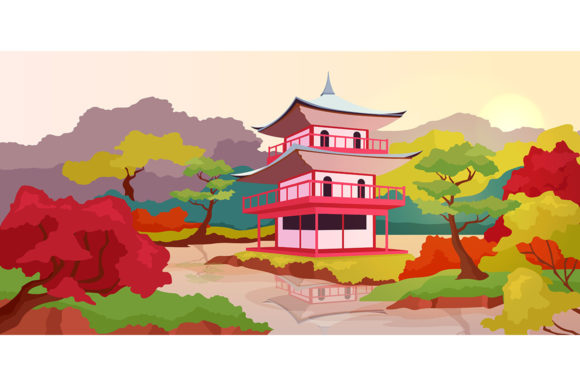
When we talk about an Asian Pagoda Flat Color Illustration, we are referring to a specific subset of digital art that embraces the "flat design" philosophy. Gone are the heavy drop shadows, complex gradients, and 3D textures of the early 2000s. Instead, this style relies on bold, solid shapes, clean lines, and a limited but impactful color palette. You will notice that the architecture—whether inspired by traditional Chinese temples or Japanese cultural attractions—is stylized rather than photorealistic.
The visual personality of these illustrations is confident and organized. The tiered roofs of the pagodas are rendered with geometric precision, often utilizing a 2D cartoon landscape aesthetic that feels approachable and friendly. The inclusion of mountains on background is a classic compositional technique that provides depth without cluttering the foreground. It’s a style that speaks to modern typography and design trends, where clarity is king. For the entrepreneur or publisher, this translates to an asset that doesn't distract from your message but rather frames it with cultural elegance.
Strategic Applications: Where This Asset Shines
So, you have this ZIP file containing EPS, JPG, and vector formats. How do you actually use it? The versatility of a high-quality flat color vector illustration is immense. Because it is vector-based (the EPS file), you can scale it to the size of a billboard or shrink it down for a favicon without losing quality. This makes it a vital component of your design assets library.
Digital Presence and Web Design
For web designers and content creators, this illustration style is perfect for hero sections or landing pages. If you are building a site for a travel agency, a cultural blog, or a meditation app, placing a Japanese cultural attractions 2D cartoon landscape in the header instantly sets the tone. It pairs exceptionally well with clean sans serif font choices for body text, creating a balanced visual hierarchy. The flat colors ensure that the image loads quickly—a crucial factor for SEO and user retention.
Branding and Identity
When developing a brand identity, consistency is non-negotiable. The distinct shape of the pagoda works wonders for logo design, particularly for businesses in the hospitality, wellness, or culinary sectors. Imagine a tea house using a simplified version of this illustration as their main brand mark. It conveys tradition immediately. When used in packaging design, the flat colors pop on physical materials, making the product stand out on a crowded shelf.
Editorial and Print
Publishers and bloggers often struggle to find imagery that doesn't look generic. Using an Asian Pagoda Flat Color Illustration in an e-book cover, a magazine spread, or a presentation slide deck adds a layer of professionalism. It acts as a visual anchor. Because the style is illustrative rather than photographic, it blends seamlessly with other design elements, allowing you to pair it with a serif font for a more traditional editorial feel or a script font for something more artistic.
The Psychology of Color and Form
Why does this specific style work so well for engagement? It comes down to visual psychology. The Chinese architecture depicted in these vectors carries a subconscious weight of durability and wisdom. By flattening these complex structures into simple geometric forms, the designer makes the content accessible. It removes the intimidation factor of "ancient history" and replaces it with "friendly culture."
Color plays a massive role here. In a typical Asian Pagoda Flat Color Illustration, you’ll see reds (symbolizing luck), golds (wealth), and deep greens (nature). These colors are proven to trigger emotional responses. For a marketer running a campaign, leveraging these colors can increase audience engagement. It’s not just decoration; it’s a strategic tool for visual hierarchy.
Technical Integration and Font Pairing
An image rarely exists in a vacuum. To truly maximize the potential of your Asian pagoda flat color vector illustration, you need to consider your typography. This is where the art of font pairing comes into play.
- For a Modern Minimalist Look: Pair the illustration with a geometric sans serif font. The clean lines of the font will mirror the vector lines of the pagoda, creating a cohesive, tech-forward aesthetic suitable for apps or startup branding.
- For a Cultural Heritage Vibe: Use a serif font with high contrast. This mimics the feel of traditional ink stamps and calligraphy found in traditional, ancient temples in China. This works best for book covers or high-end tourism brochures.
- For a Playful, Crafty Feel: If your audience includes crafters or hobbyists, pair the 2D cartoon landscape with a rounded handwritten font. It softens the architectural lines and makes the design feel more personal.
When evaluating your project fit, look at the line weight of the illustration. If the vector lines are thick and bold, your typography needs to have enough weight to stand next to it. If you use a delicate, thin script font, it might get lost against a heavy pagoda graphic. Always test your font pairing in grayscale first to ensure the hierarchy holds up without color influence.
Practical Guidance for Buyers and Creators
If you are ready to download that ZIP file, here is a checklist to ensure you are getting real value. First, check the file formats. You need the EPS or AI file for scalability. A JPG is fine for quick social media posts, but for serious commercial font and graphic work, you need the vector source.
Second, consider the licensing. Even though this is an illustration, the same rules apply as with a premium font. Read the license. Can you use it on merchandise? Can you modify it? For small business owners, ensuring your design assets are cleared for commercial use prevents legal headaches down the road.
Finally, think about adaptability. A great Asian Pagoda Flat Color Illustration should be easy to recolor. Can you change the red roof to blue to match your client's brand guidelines? If the vector is well-organized with grouped layers, this should take you seconds. If it’s a flattened mess, it’s not a premium asset.
Conclusion
The Asian Pagoda Flat Color Illustration is more than just a pretty picture of a temple. It is a versatile, scalable, and psychologically potent tool for creators. Whether you are designing a website, crafting a brand identity, or publishing content, this style offers a bridge between the ancient and the modern. By pairing it with the right typography and understanding its visual strengths, you can transform a simple graphic into a powerful storytelling device that resonates with a global audience.